
Living Lightly Among Peaks

Join us as we explore low-impact mountain dwellings shaped by local wood, stone, and wool, where buildings settle gently into ridgelines, breathe with changing weather, and honor seasonal rhythms. We’ll trace materials from forest, quarry, and flock to walls that comfort, conserve, and endure, while celebrating craft, community, and resilient design. Share your ridge-side lessons in the comments and subscribe for field notes, sketches, and build-along workshops.

Shelters That Breathe With the Slope

Thoughtful siting begins by listening to wind, sun, and slope, letting structure follow terrain rather than force it flat. By tucking forms behind rock outcrops, stepping along contours, and opening to winter light, homes gain stability and warmth with little disturbance. Stories from alpine shepherds reveal how paths, water, and snow teach patient placement long before a single footing is poured.

Wood: Joinery, Grain, and Mountain Forest Stewardship
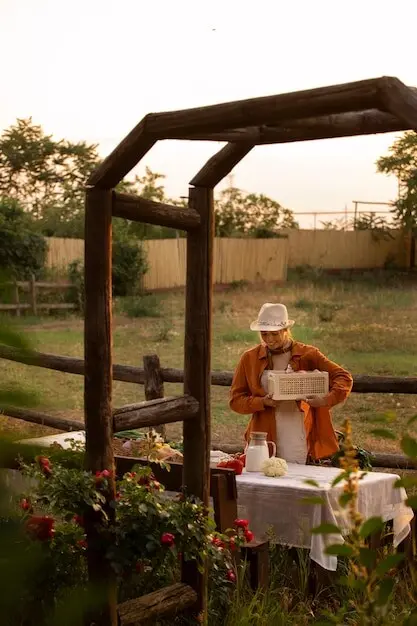
Selecting heartwood from responsibly thinned stands yields beams that resist twist and welcome tight mortise-and-tenon joinery. Choosing orientation by grain and knot reveals reduces checking while honoring foresters’ cycles. Offcuts fuel curing sheds, and shavings insulate delivery crates, turning waste into warmth and protection.

Stone: Mass, Freeze–Thaw, and Anchored Beauty

Dry-laid walls with capillary breaks rest steady through freeze–thaw, storing daytime sun and releasing comfort after dusk. Locally quarried faces need minimal transport and blend visually with cliffs above. Pinning techniques and lime-rich bedding allow movement without cracking, extending service life across harsh cycles.

Wool: Breathable Warmth From Flock to Wall

Scoured and needled, mountain wool becomes sound-softening insulation that still exhales moisture. Treated with natural salts, it resists pests while remaining compostable at end of life. Shepherd cooperatives create fair value, and onsite offcuts stuff draft snakes, slippers, and playful cushions.

Comfort Without a Switch

Quiet comfort grows from orientation, sections, and honest layers rather than gadgets. South openings sip winter sun, deep eaves temper summer glare, and thick, hygroscopic assemblies even out swings. When smoke or storms cut power, spaces remain habitable, bright, and kind to resting lungs.

Sun, Shade, and the Art of Winter Angles

Sketch equinox paths on cardboard models, test shadow lengths with twigs, and choreograph glazing so breakfast tables glow in January without overheating August lofts. Reflective snowfields boost albedo, so eyebrow overhangs fine-tune. Shades double as storytelling blinds printed with nearby peaks.

Thermal Mass Meets Breathable Layers

Layer stone or earth plasters inside timber frames, then wrap with wood fiber boards and ventilated cladding, avoiding plastic traps. This composite slows heat waves, buffers humidity, and preserves beams. Comfort feels natural, while maintenance stays simple, reversible, and forgiving of small mistakes.

Ventilation That Whispers, Not Whirs

High-low vents hidden within gables harvest the stack effect, drawing cooking humidity out while pulling clear air along floors. Wool filters trap dust and pollen. In shoulder seasons, trickle vents temper nighttime chills so sleepers wake clear-headed, not parched or congested.


Craft, Community, and Care

Buildings last when hands remember. Apprentices stand beside elders, learning scarf joints, dry stone batter, and the rhythm of shears against fleece. Cooperative builds share risk and laughter, strengthening bonds that outlast subsidies. A neighbor’s story becomes detailing guidance, warranty, and winter rescue plan.

Resilience on the Ridge

Designing for risk is an act of care. Balanced snow retention, stout connections, ember-resistant details, and sacrificial claddings turn tempests into teachable moments rather than catastrophes. By anticipating loads, sparks, and thaw, households keep shelter, tools, and memories safe without excess material or fear.

Snow, Wind, and Quiet Strength

Shingle-to-strap load paths, snow guards that meter release, and cross-bracing at knee walls calm winter’s force. Rounded eaves reduce uplift. Test huts under ballast reveal weak links before storms do. Quiet strength comes from redundancy, not bulk, so structures age gracefully.

Fire-Wise Details in a Timber World

Bark-on cladding near grade invites embers; raise it and switch to stone. Screen vents with fine mesh. Keep decks bare, gutters clean, and wool snug behind plaster. A perimeter of herb-rich greenswards cools, scents, and deters flame-driven dryness at crucial edges.

Footprints Measured in Seasons

Counting What Truly Counts

Rather than abstract offsets, tally radius of sourcing, repair hours, and shared meals during builds. Weight embodied energy against decades of low heating demand. Publish results on a porch chalkboard to invite conversation, humility, and improvements suggested by passersby with muddy boots.

Design for Repair, Not Replacement

Rather than abstract offsets, tally radius of sourcing, repair hours, and shared meals during builds. Weight embodied energy against decades of low heating demand. Publish results on a porch chalkboard to invite conversation, humility, and improvements suggested by passersby with muddy boots.

Leaving Graceful Traces

Rather than abstract offsets, tally radius of sourcing, repair hours, and shared meals during builds. Weight embodied energy against decades of low heating demand. Publish results on a porch chalkboard to invite conversation, humility, and improvements suggested by passersby with muddy boots.

Zorivaromiraveltopira
Privacy Overview

This website uses cookies so that we can provide you with the best user experience possible. Cookie information is stored in your browser and performs functions such as recognising you when you return to our website and helping our team to understand which sections of the website you find most interesting and useful.