
Crafted Journeys That Uplift Makers
Step into craft-centered retreats—hands-on workshops and journeys supporting local makers—where every itinerary invites you to learn by doing, meet mentors at their benches, and contribute to living traditions. This guide shares planning wisdom, moving anecdotes, route ideas, packing strategies, and community invitations that transform travel into shared creativity and real-world impact.
The Ripple Effect of Fair Payment
Transparent workshop fees fund studio rent, apprenticeships, and maintenance of traditional tools, while your meals and lodging support nearby growers and hosts. One weekend can keep a kiln firing through winter, or finance a loom repair that enables another season of weaving.
Living Traditions, Not Museum Pieces
Participatory learning keeps crafts adaptable and alive. When travelers dye cloth beside elders or carve spoons with younger makers, stories pass with techniques. You leave with skills worth sharing at home, widening the circle that keeps heritage meaningful, resilient, and economically relevant.
Seasonality and Material Cycles
Many crafts follow natural calendars: indigo vats wake in warm months, sheep shearing precedes spinning festivals, and timber dries slowly across seasons. Aligning travel with these cycles increases learning opportunities, connects you to agricultural partners, and helps hosts plan safely, profitably, and without burnout.
Vetting Hosts Transparently
Before booking, ask who leads instruction, how revenue is split, whether translators are present, and how materials are sourced. Reputable hosts answer openly, connect you with alumni, and welcome feedback. Trust grows when expectations, safety practices, and creative boundaries are articulated with humility and clarity.
Building Rest into Ambition
Workshops are exhilarating and physically demanding. Schedule generous buffers between sessions, hydrate, and protect hands with balms or gloves. Fatigue dulls attention and courtesy; pacing prevents avoidable mistakes, supports artisans’ schedules, and preserves the patience required for precise craft, mutual respect, and real joy.
Designing an Itinerary That Gives Back
Start with the craft you genuinely want to practice, then map regions where that practice intersects daily life, not just souvenirs. Contact cooperatives or guilds, ask about class sizes, and confirm that artisans set prices. Build rest days, farm or market visits, and studio maintenance time into your schedule. Favor trains and buses between towns where possible, and walk when visiting clustered workshops. A thoughtful plan respects human rhythms, balances ambition with care, and leaves bandwidth for serendipity, community invitations, and spontaneous tea shared at a bench.
Clay, Fire, and Community Tables
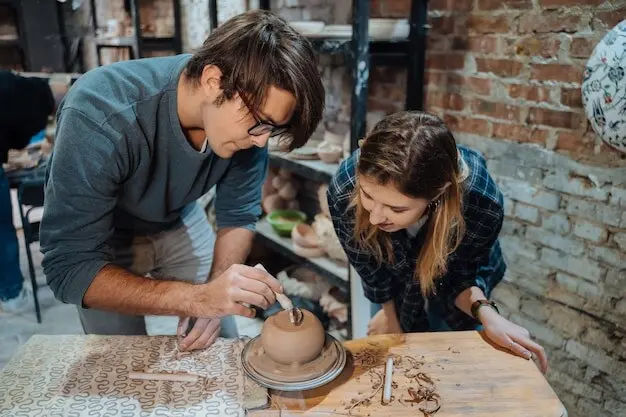
Join a rural pottery intensive where neighbors stack splits for the kiln and share soups during long firings. You’ll wedge reclaimed clay, throw imperfect cylinders, and learn trimming by feel. Opening day becomes a village gathering, with laughter, critique, and useful bowls cooling on shelves.
Color Born from Plants and Patience
Spend days coaxing blues from fermented indigo, rust from madder, and sunlit gold from weld. Guided by growers, you’ll harvest leaves, prepare vats, and bind resist patterns. Every cloth tells of soil, water, microbes, and hands collaborating across careful, restorative processes.
Carving Stories into Wood
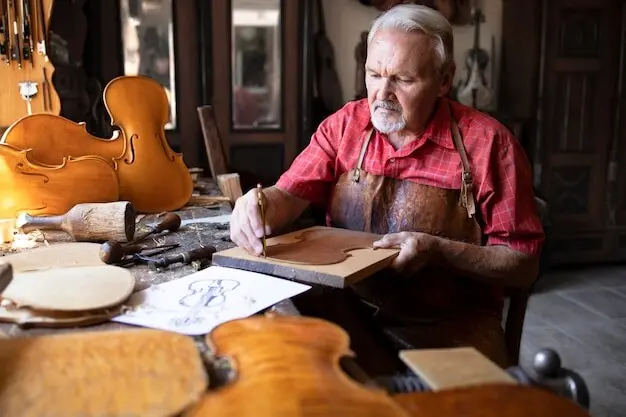
From spoon carving to relief panels, woodworking teaches grain literacy and humility. In shaded yards, mentors show tool sharpening, safe grips, and finishing oils that honor texture. Chips scatter like confetti while conversation deepens, and each piece carries a quiet, useful narrative homeward.
Journeys That Connect Studios and Landscapes
Travel can be a gentle thread stitching workshops to surrounding farms, forests, and markets. Following footpaths between studios reveals how materials move: wool from hillside flocks, clay from river bends, pigments from gardens and hedgerows. Quiet miles invite reflection, ethical purchases, and introductions that tours often overlook.


What to Pack, Ship, and Leave Behind
Prepare for splashes, splinters, and glorious mess. Quick-dry layers, closed-toe shoes, and a foldable apron simplify cleanup, while a small first-aid pouch addresses nicks. Research airline rules for tools; pack collapsible boxes for transporting fragile pieces, and budget for shipping when weight exceeds limits. Most importantly, carry curiosity and leave entitlement at home.

Sharing Stories with Care
Celebrating artisans publicly carries responsibility. Always ask permission before photographing faces, techniques, or proprietary designs, and credit names, regions, and collectives. Avoid revealing sensitive details that could invite copying or crowds. When posting, explain pricing context and labor intensity so readers value process, not just outcomes, and can choose to support makers directly.
Carry the Practice Home
The end of a journey can be the beginning of steadier making. Establish a small home corner with good light, basic tools, and storage for materials sourced ethically. Join local guilds, libraries, and repair cafes to keep knowledge circulating. Commission pieces from mentors when possible, and celebrate progress over perfection while teaching friends.
All Rights Reserved.